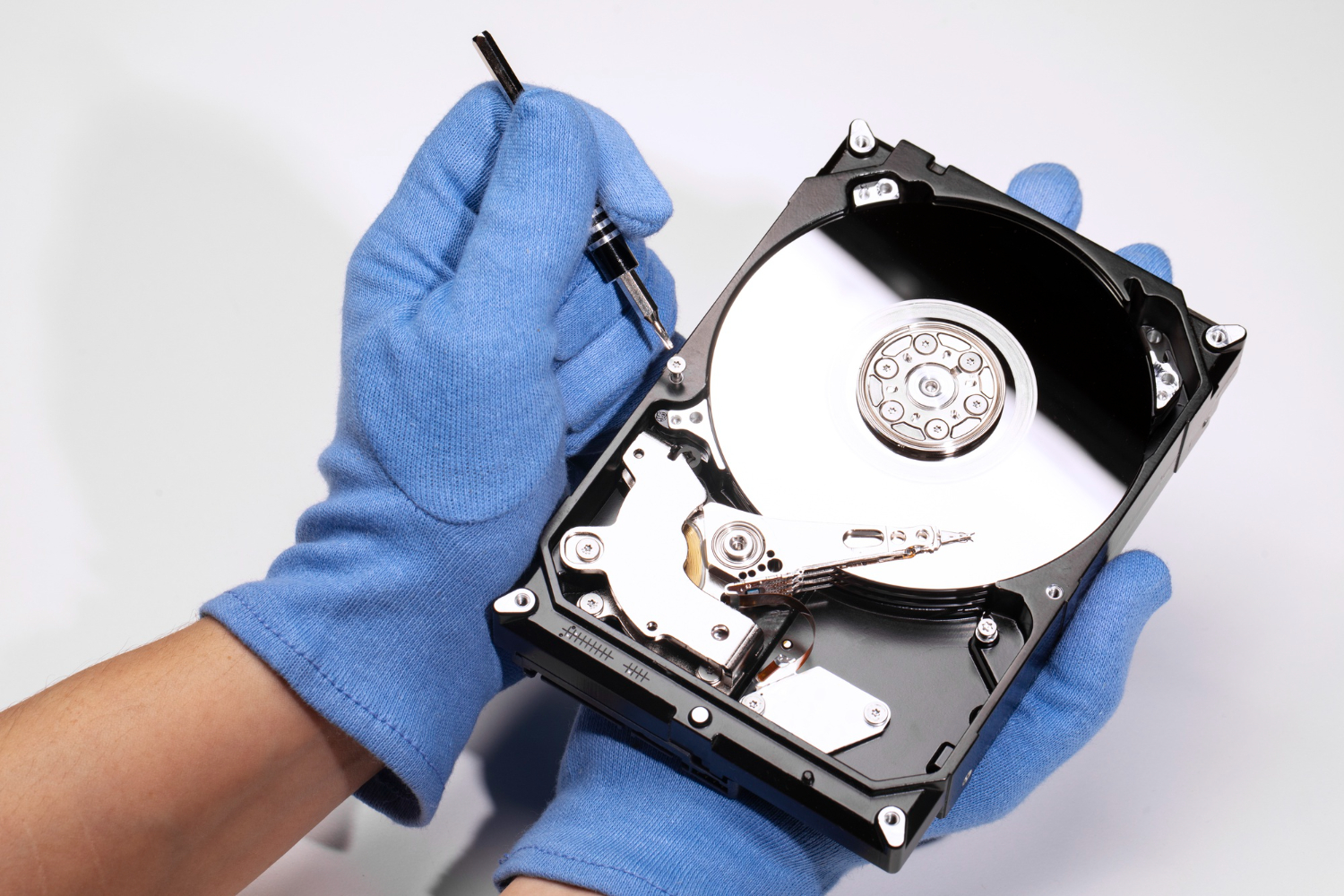
Digital forensics is a meticulous process that involves several critical steps from start to finish. Each stage is designed to ensure the integrity of the evidence and uncover key insights needed to resolve cases effectively. Whether dealing with cyber crimes, internal investigations, or data breaches, our structured approach helps us gather and analyze digital evidence with precision and accuracy.
The first step in our process is data collection. This is where we gather digital evidence from various sources, such as computers, mobile devices, and networks. The main objective during this stage is to collect as much relevant data as possible without altering or damaging any of the information. Once we have the data, preserving its integrity becomes our next priority. Ensuring that the evidence remains unaltered is crucial for maintaining its validity in court.
Our process then moves on to detailed analysis, where we use specialized tools to examine the collected data. This helps us uncover any hidden information, patterns, or activities that could be relevant to the investigation. Finally, we compile our findings into comprehensive reports. These reports are designed to be clear and concise, providing all necessary details in a manner that’s easy to understand. By following this methodical process, we ensure that every piece of evidence is handled with the utmost care and professionalism, leading to the most reliable results possible.
Initial Data Collection: Gathering Digital Evidence
The first step in our digital forensics process is the collection of data. During this stage, we gather digital evidence from various sources such as computers, mobile phones, servers, and external storage devices. This evidence can include documents, emails, photos, videos, and logs, among other types of data. Our goal is to capture a comprehensive set of data that may be relevant to the investigation.
We use specialized hardware and software tools to ensure that we collect this data accurately and completely. For example, we use write blockers to prevent any changes to the original data during the copying process. This helps maintain the integrity of the evidence. Additionally, forensic imaging tools create exact copies of the storage devices, allowing us to work with the data without altering the original evidence. This careful and methodical approach ensures that we have all the information we need for a thorough investigation.
Preservation of Evidence: Ensuring Data Integrity
Preserving the integrity of the evidence is a critical part of our process. Once we have collected the data, we focus on ensuring that it remains unchanged throughout the investigation. This step is essential for maintaining the validity of the evidence, especially if it needs to be presented in court.
We achieve this by creating forensic images of the original data and working on these copies for all our analyses. Forensic imaging tools allow us to create exact replicas of storage devices, capturing every bit of information. These copies are then stored in a secure, tamper-proof environment. We use hashing algorithms to generate unique identifiers for the data, which helps us detect any alterations. By comparing the hash values before and after our analyses, we can confirm that the evidence has remained intact. This meticulous process ensures that the evidence we gather is reliable and admissible, providing a solid foundation for our investigations.
Detailed Analysis: Uncovering Key Insights
Once we have preserved the data, the next step is conducting a detailed analysis to uncover key insights. This involves using advanced forensic software to examine the data for clues. We look for patterns, hidden files, and any signs of tampering or suspicious activity. Our tools allow us to sift through vast amounts of data efficiently, identifying relevant pieces of evidence.
During the analysis, we pay close attention to metadata, such as timestamps and file paths, which can provide important context for the case. We also use keyword searches to find specific terms related to the investigation. Another technique we use is timeline analysis, which helps us understand the sequence of events. By piecing together the information, we can form a clear picture of what happened, how it happened, and who was involved. This thorough examination is crucial for building a strong case.
Expert Reporting: Presenting Our Findings
After completing our detailed analysis, we compile our findings into a comprehensive report. This report is designed to be clear and concise, making it easy for non-technical stakeholders to understand the results. We include a summary of the evidence, detailed descriptions of our findings, and any relevant charts or graphs that illustrate key points.
The report also contains our expert recommendations based on the analysis. These recommendations can guide further actions, whether it involves legal proceedings, internal disciplinary measures, or improving security protocols to prevent future incidents. Our goal is to provide all the necessary information in an organized and accessible format, so decision-makers can act confidently. This final stage of our process ensures that our clients have a complete and accurate understanding of the situation.
Conclusion
Handling digital evidence with care and precision is critical for any investigation. From initial data collection to detailed analysis and expert reporting, every step of our process is designed to ensure the integrity and reliability of the evidence. By following these disciplined procedures, we can uncover the truth and provide valuable insights that help solve cases.
If you need expert digital forensics services, contact TeraDrive Forensics. We’re dedicated to providing thorough and accurate investigations, helping you get the answers you need.